OpenAI has accused Chinese AI startup DeepSeek of using its proprietary models to train a competing open-source model, potentially breaching intellectual property agreements. OpenAI claims that DeepSeek employed a technique called "distillation" to enhance its AI model by learning from larger, more advanced models, possibly violating OpenAI's terms of service. This situation highlights ongoing concerns about IP rights in the rapidly evolving AI industry.
Counterfeit Goods Seizures
On January 31, 2025, authorities in Dublin conducted raids targeting intellectual property crime, resulting in the seizure of suspected counterfeit Apple AirPod Max headphones, fake Otterbox mobile phone cases, luxury goods, and cash. Approximately 180 counterfeit headphones and 185 fake phone cases were confiscated, with estimated revenue losses of €104,400 and €5,500, respectively. This operation underscores the ongoing efforts to combat counterfeit goods and protect IP rights.
Enhancements in Patent Search Tools
The Intellectual Property Office (IPO) has introduced "One IPO Search," a new keyword search tool for its patent database. Unlike the previous system that required specific patent numbers, this tool allows users to find existing patents using specific keywords. This development is part of a broader digitization effort by the IPO to modernize its systems and support innovation by providing an easy-to-use platform for inventors and businesses.
Legal Settlements in Fashion Design
Elizabeth Emanuel, co-creator of Princess Diana's iconic 1981 wedding dress, has settled a legal dispute with her ex-husband and former business partner, David Emanuel. The case involved allegations of copyright infringement over drawings of the wedding gown and other designs. The settlement grants Elizabeth ownership of all intellectual property rights of the Emanuel partnership, allowing her to proceed with new projects.
AI and Intellectual Property Disputes
OpenAI has accused Chinese AI startup DeepSeek of using its proprietary models to train a competing open-source model, potentially breaching intellectual property agreements. OpenAI claims that DeepSeek employed a technique called "distillation" to enhance its AI model by learning from larger, more advanced models, possibly violating OpenAI's terms of service. This situation highlights ongoing concerns about IP rights in the rapidly evolving AI industry.
01 Counterfeit Goods Seizures
On January 31, 2025, authorities in Dublin conducted raids targeting intellectual property crime, resulting in the seizure of suspected counterfeit Apple AirPod Max headphones, fake Otterbox mobile phone cases, luxury goods, and cash. Approximately 180 counterfeit headphones and 185 fake phone cases were confiscated, with estimated revenue losses of €104,400 and €5,500, respectively. This operation underscores the ongoing efforts to combat counterfeit goods and protect IP rights.
02 Enhancements in Patent Search Tools
The Intellectual Property Office (IPO) has introduced "One IPO Search," a new keyword search tool for its patent database. Unlike the previous system that required specific patent numbers, this tool allows users to find existing patents using specific keywords. This development is part of a broader digitization effort by the IPO to modernize its systems and support innovation by providing an easy-to-use platform for inventors and businesses.
03 Legal Settlements in Fashion Design
Elizabeth Emanuel, co-creator of Princess Diana's iconic 1981 wedding dress, has settled a legal dispute with her ex-husband and former business partner, David Emanuel. The case involved allegations of copyright infringement over drawings of the wedding gown and other designs. The settlement grants Elizabeth ownership of all intellectual property rights of the Emanuel partnership, allowing her to proceed with new projects.
These events reflect the dynamic nature of intellectual property law and its critical role in various industries, from technology to fashion.
Patent Disputes in the Pharmaceutical Industry
Recent legal battles in the pharmaceutical sector have highlighted the growing importance of intellectual property protection for drug manufacturers. In early 2025, a U.S. court ruled in favor of Pfizer in a patent dispute against a generic drug manufacturer, reinforcing the company's exclusive rights to its best-selling medication. The case underscores the ongoing struggle between brand-name pharmaceutical companies and generic manufacturers over patent expirations and market competition.
AI and IP conflicts
Counterfeit crackdown
Patent search upgrade
Big pharma patent disputes
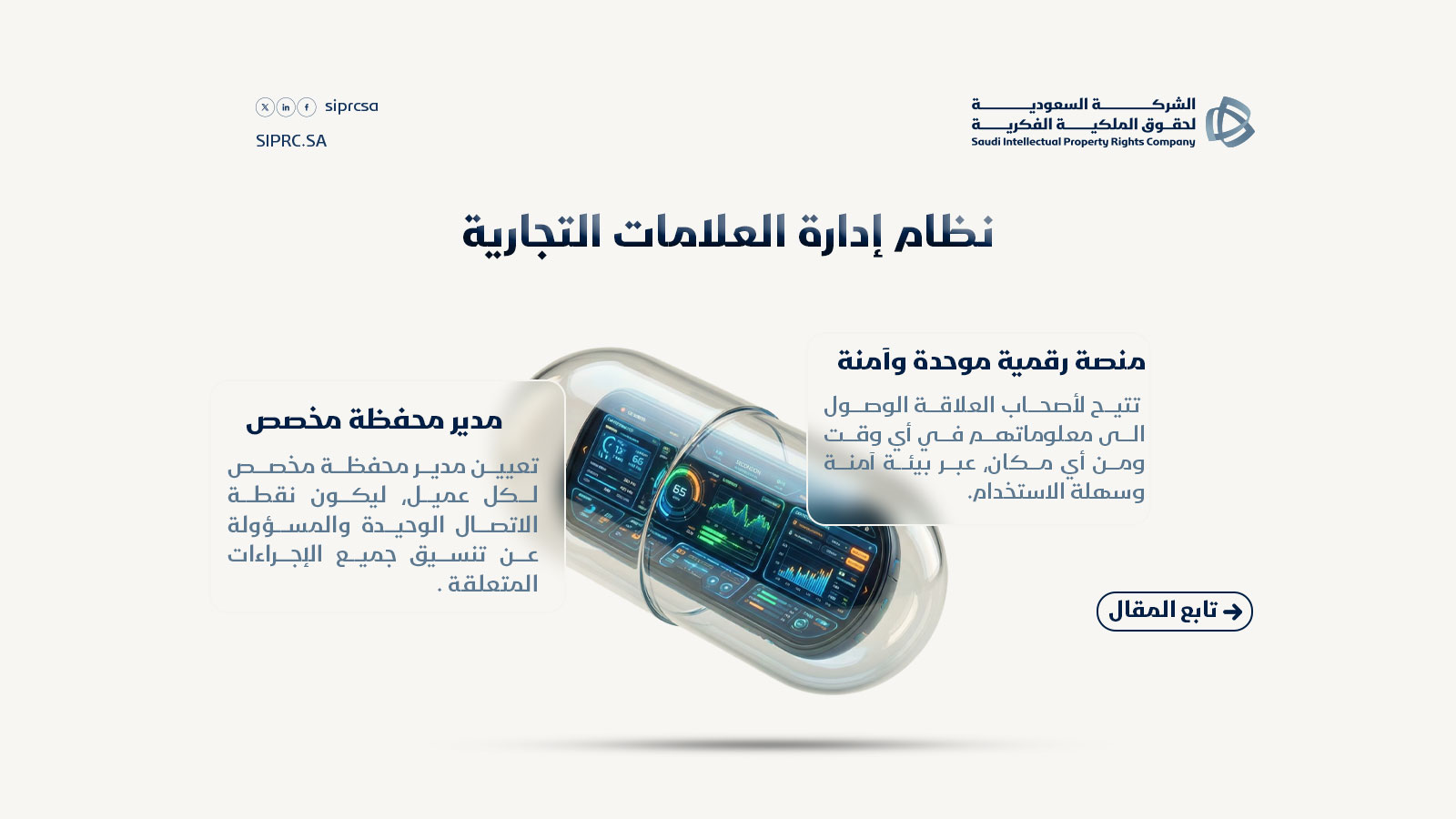
في اطار الالتزام بتعزيز حماية العلامات التجارية وتبسيط تجربة العملاء، تم تطوير نظام متكامل لإدارة محفظة الملكية الفكرية يعتمد على أفضل الممارسات الدولية ويستند إلى حلول رقمية مبتكرة تجمع بين الكفاءة، الدقة، والشفافية.
1 - مدير محفظة مخصص
تعيين مدير محفظة مخصص لكل عميل، ليكون نقطة الاتصال الوحيدة والمسؤولة عن تنسيق جميع الإجراءات المتعلقة بمحفظته التجارية.هذا النهج يعزز التواصل المباشر ويضمن سرعة الاستجابة وتحمّل المسؤولية بوضوح.
2- تصفية ذكية وتنبيهات دقيقة
يعتمد فريق المراقبة على انظمة تحليل ذكية لتصفية التنبيهات الناتجة عن مراقبة العلامات التجارية، بحيث تصل للعميل الإشعارات المهمة فقط، مرفقة بتوصيات عملية.يأتي هذا النهج متوافقًا مع توصيات المنظمة العالمية للملكية الفكرية (WIPO) التي تشجع على استخدام التقنيات الحديثة للرقابة الاستباقية وتقليل الإنذارات غير الجوهرية، بما يضمن تركيز الجهود على التهديدات الفعلية.
3- منصة رقمية موحدة وآمنة
نُقلت جميع بيانات محفظة الملكية الفكرية إلى منصة رقمية موحدة تتيح لأصحاب العلاقة الوصول الى معلوماتهم في أي وقت ومن أي مكان، عبر بيئة آمنة وسهلة الاستخدام.وتُعد هذه الممارسة من أفضل الأساليب المعتمدة عالميًا في إدارة العلامات التجارية، نظرًا لما توفره من إشراف لحظي، وتكامل في البيانات، وتحسين لتجربة التعاون بين الأطراف المعنية.
4-استشارات مصمّمة وفق الحاجة
تقديم استشارات مخصصة تغطي جميع مراحل إدارة العلامة التجارية من التجديد والمتابعة النظامية للاعتراضات، وحتى الحماية الدولية المستمرة مع مراعاة طبيعة كل عميل ومستوى .
Authors of the article:
Share it with the world!
Our latest news
Stay up to date with the latest news and developments in the field of intellectual property by following the Intellectual Property Blog
.svg)