OpenAI has accused Chinese AI startup DeepSeek of using its proprietary models to train a competing open-source model, potentially breaching intellectual property agreements. OpenAI claims that DeepSeek employed a technique called "distillation" to enhance its AI model by learning from larger, more advanced models, possibly violating OpenAI's terms of service. This situation highlights ongoing concerns about IP rights in the rapidly evolving AI industry.
Counterfeit Goods Seizures
On January 31, 2025, authorities in Dublin conducted raids targeting intellectual property crime, resulting in the seizure of suspected counterfeit Apple AirPod Max headphones, fake Otterbox mobile phone cases, luxury goods, and cash. Approximately 180 counterfeit headphones and 185 fake phone cases were confiscated, with estimated revenue losses of €104,400 and €5,500, respectively. This operation underscores the ongoing efforts to combat counterfeit goods and protect IP rights.
Enhancements in Patent Search Tools
The Intellectual Property Office (IPO) has introduced "One IPO Search," a new keyword search tool for its patent database. Unlike the previous system that required specific patent numbers, this tool allows users to find existing patents using specific keywords. This development is part of a broader digitization effort by the IPO to modernize its systems and support innovation by providing an easy-to-use platform for inventors and businesses.
Legal Settlements in Fashion Design
Elizabeth Emanuel, co-creator of Princess Diana's iconic 1981 wedding dress, has settled a legal dispute with her ex-husband and former business partner, David Emanuel. The case involved allegations of copyright infringement over drawings of the wedding gown and other designs. The settlement grants Elizabeth ownership of all intellectual property rights of the Emanuel partnership, allowing her to proceed with new projects.
AI and Intellectual Property Disputes
OpenAI has accused Chinese AI startup DeepSeek of using its proprietary models to train a competing open-source model, potentially breaching intellectual property agreements. OpenAI claims that DeepSeek employed a technique called "distillation" to enhance its AI model by learning from larger, more advanced models, possibly violating OpenAI's terms of service. This situation highlights ongoing concerns about IP rights in the rapidly evolving AI industry.
01 Counterfeit Goods Seizures
On January 31, 2025, authorities in Dublin conducted raids targeting intellectual property crime, resulting in the seizure of suspected counterfeit Apple AirPod Max headphones, fake Otterbox mobile phone cases, luxury goods, and cash. Approximately 180 counterfeit headphones and 185 fake phone cases were confiscated, with estimated revenue losses of €104,400 and €5,500, respectively. This operation underscores the ongoing efforts to combat counterfeit goods and protect IP rights.
02 Enhancements in Patent Search Tools
The Intellectual Property Office (IPO) has introduced "One IPO Search," a new keyword search tool for its patent database. Unlike the previous system that required specific patent numbers, this tool allows users to find existing patents using specific keywords. This development is part of a broader digitization effort by the IPO to modernize its systems and support innovation by providing an easy-to-use platform for inventors and businesses.
03 Legal Settlements in Fashion Design
Elizabeth Emanuel, co-creator of Princess Diana's iconic 1981 wedding dress, has settled a legal dispute with her ex-husband and former business partner, David Emanuel. The case involved allegations of copyright infringement over drawings of the wedding gown and other designs. The settlement grants Elizabeth ownership of all intellectual property rights of the Emanuel partnership, allowing her to proceed with new projects.
These events reflect the dynamic nature of intellectual property law and its critical role in various industries, from technology to fashion.
Patent Disputes in the Pharmaceutical Industry
Recent legal battles in the pharmaceutical sector have highlighted the growing importance of intellectual property protection for drug manufacturers. In early 2025, a U.S. court ruled in favor of Pfizer in a patent dispute against a generic drug manufacturer, reinforcing the company's exclusive rights to its best-selling medication. The case underscores the ongoing struggle between brand-name pharmaceutical companies and generic manufacturers over patent expirations and market competition.
AI and IP conflicts
Counterfeit crackdown
Patent search upgrade
Big pharma patent disputes
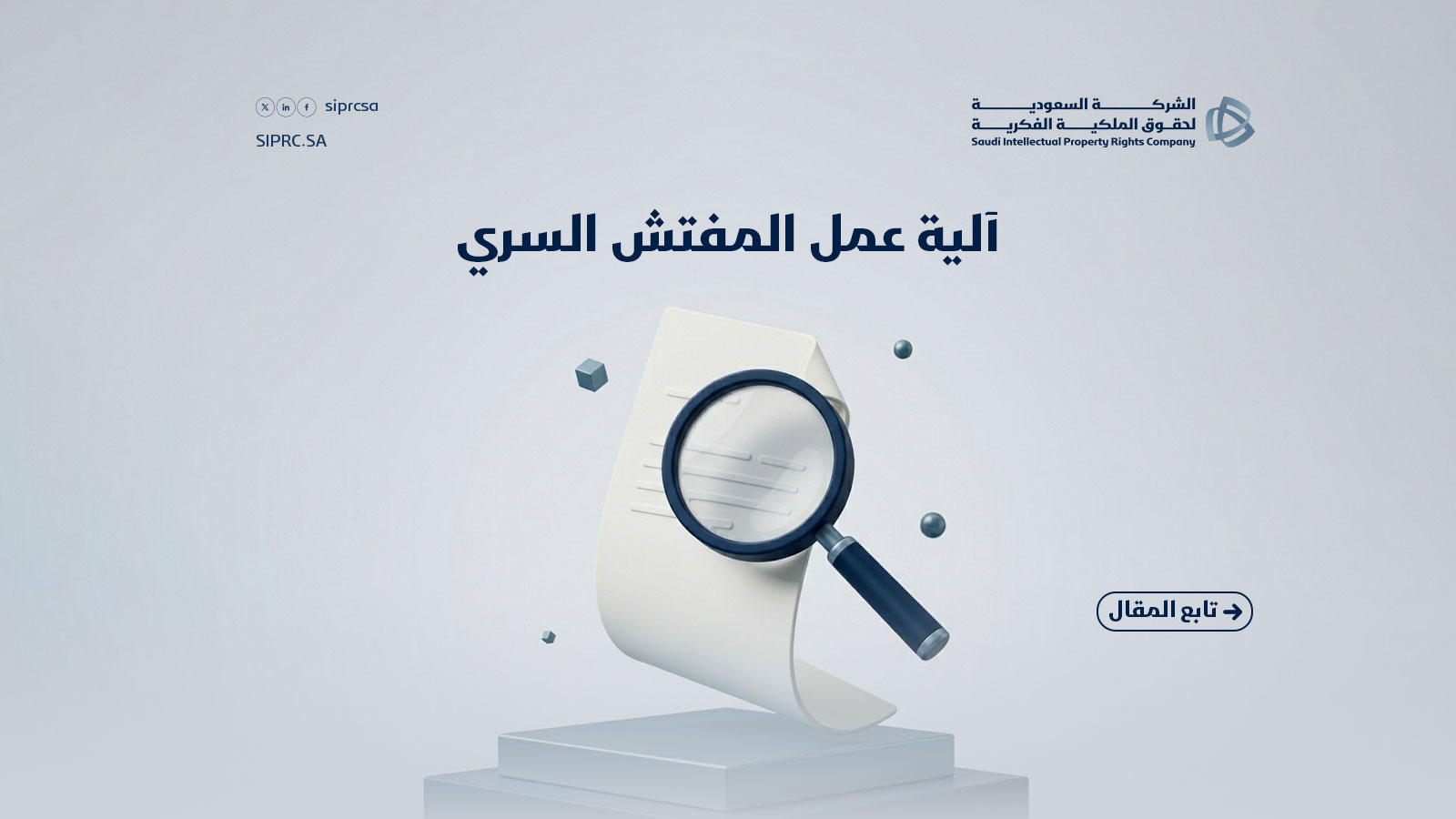
يُعد المفتش السري للملكية الفكرية أداة رقابية حاسمة لحماية الأصول غير الملموسة في الكيانات التجارية. وخلافاً للمتسوق السري المعني بقياس جودة الخدمات التشغيلية، يتركز دور المفتش السري على الرصد الاستباقي للتعديات على العلامات التجارية، مما يحد من تسرب الإيرادات ويحمي الحصة السوقية للمنشآت.
وفقاً لأحكام قانون (نظام) العلامات التجارية لدول مجلس التعاون لدول الخليج العربية، وتحديداً في الباب السابع (أحكام ختامية) - المادة (٤٥)، يتمتع الموظفون المختصون بصفة مأموري الضبط القضائي، مما يتيح لهم حق الدخول إلى الأماكن لغرض ضبط الحالات المخالفة. يُسهم هذا الإجراء النظامي في تفعيل الحماية الاستراتيجية للشركات ضد تقليد السلع أو تداولها بغير وجه حق.
الضبط القضائي الاستباقي: ممارسة الصلاحيات النظامية للوصول إلى مواقع الانتهاكات وتوثيقها قانونياً لضبط الحالات المخالفة قبل تفاقم الخسائر المالية للمنشأة.
إيقاف النزيف المالي: حصر السلع المقلدة والمزورة تمهيداً للمطالبة القضائية بإتلافها أو التخلص منها خارج القنوات التجارية، مما يضمن عدم عودتها للأسواق.
بناء ملف قانوني محكم: جمع الأدلة المستندية القطعية التي تتصل بالتعدي لتمكين الإدارة التنفيذية من المطالبة بالتعويضات المالية الكافية لجبر الأضرار، بما في ذلك الأرباح التي جناها المعتدي.
تحييد المخاطر المستقبلية: تفعيل قوة الردع النظامية ضد الممارسات غير المشروعة، حيث يساهم الرصد الدقيق في إيقاع العقوبات المضاعفة في حالات العود، والتي تشمل إغلاق المحل التجاري أو المشروع المخالف.
تترتب على التعديات التجارية مخاطر مالية جسيمة؛ لذا أقر النظام عقوبات رادعة تشمل غرامات مالية تصل إلى مليون ريال سعودي لكل من زور علامة تم تسجيلها أو قلدها بطريقة تدعو إلى تضليل الجمهور. كما تفرض غرامات تصل إلى مائة ألف ريال سعودي على كل من باع أو عرض للبيع سلعاً عليها علامة مزورة.
يُشكل الاعتماد على عمليات التفتيش السري للملكية الفكرية توجهاً حتمياً لضمان استدامة الأرباح وتحييد المخاطر، عبر رصد السلع المقلدة قضائياً والمطالبة بالتعويضات الرادعة.
تتطلب الإدارة الفعالة للمخاطر التجارية بناء أطر قانونية ورقابية استباقية. تُقدم الشركة السعودية لحقوق الملكية الفكرية (SIPRC)، بصفتها مستشاراً معتمداً، حلولاً استشارية متكاملة لدعم الكيانات التجارية في حماية حقوقها الفكرية، وتحييد المخاطر، وتأمين مراكزها التنافسية في السوق.
Authors of the article:
Share it with the world!
Our latest news
Stay up to date with the latest news and developments in the field of intellectual property by following the Intellectual Property Blog