OpenAI has accused Chinese AI startup DeepSeek of using its proprietary models to train a competing open-source model, potentially breaching intellectual property agreements. OpenAI claims that DeepSeek employed a technique called "distillation" to enhance its AI model by learning from larger, more advanced models, possibly violating OpenAI's terms of service. This situation highlights ongoing concerns about IP rights in the rapidly evolving AI industry.
Counterfeit Goods Seizures
On January 31, 2025, authorities in Dublin conducted raids targeting intellectual property crime, resulting in the seizure of suspected counterfeit Apple AirPod Max headphones, fake Otterbox mobile phone cases, luxury goods, and cash. Approximately 180 counterfeit headphones and 185 fake phone cases were confiscated, with estimated revenue losses of €104,400 and €5,500, respectively. This operation underscores the ongoing efforts to combat counterfeit goods and protect IP rights.
Enhancements in Patent Search Tools
The Intellectual Property Office (IPO) has introduced "One IPO Search," a new keyword search tool for its patent database. Unlike the previous system that required specific patent numbers, this tool allows users to find existing patents using specific keywords. This development is part of a broader digitization effort by the IPO to modernize its systems and support innovation by providing an easy-to-use platform for inventors and businesses.
Legal Settlements in Fashion Design
Elizabeth Emanuel, co-creator of Princess Diana's iconic 1981 wedding dress, has settled a legal dispute with her ex-husband and former business partner, David Emanuel. The case involved allegations of copyright infringement over drawings of the wedding gown and other designs. The settlement grants Elizabeth ownership of all intellectual property rights of the Emanuel partnership, allowing her to proceed with new projects.
AI and Intellectual Property Disputes
OpenAI has accused Chinese AI startup DeepSeek of using its proprietary models to train a competing open-source model, potentially breaching intellectual property agreements. OpenAI claims that DeepSeek employed a technique called "distillation" to enhance its AI model by learning from larger, more advanced models, possibly violating OpenAI's terms of service. This situation highlights ongoing concerns about IP rights in the rapidly evolving AI industry.
01 Counterfeit Goods Seizures
On January 31, 2025, authorities in Dublin conducted raids targeting intellectual property crime, resulting in the seizure of suspected counterfeit Apple AirPod Max headphones, fake Otterbox mobile phone cases, luxury goods, and cash. Approximately 180 counterfeit headphones and 185 fake phone cases were confiscated, with estimated revenue losses of €104,400 and €5,500, respectively. This operation underscores the ongoing efforts to combat counterfeit goods and protect IP rights.
02 Enhancements in Patent Search Tools
The Intellectual Property Office (IPO) has introduced "One IPO Search," a new keyword search tool for its patent database. Unlike the previous system that required specific patent numbers, this tool allows users to find existing patents using specific keywords. This development is part of a broader digitization effort by the IPO to modernize its systems and support innovation by providing an easy-to-use platform for inventors and businesses.
03 Legal Settlements in Fashion Design
Elizabeth Emanuel, co-creator of Princess Diana's iconic 1981 wedding dress, has settled a legal dispute with her ex-husband and former business partner, David Emanuel. The case involved allegations of copyright infringement over drawings of the wedding gown and other designs. The settlement grants Elizabeth ownership of all intellectual property rights of the Emanuel partnership, allowing her to proceed with new projects.
These events reflect the dynamic nature of intellectual property law and its critical role in various industries, from technology to fashion.
Patent Disputes in the Pharmaceutical Industry
Recent legal battles in the pharmaceutical sector have highlighted the growing importance of intellectual property protection for drug manufacturers. In early 2025, a U.S. court ruled in favor of Pfizer in a patent dispute against a generic drug manufacturer, reinforcing the company's exclusive rights to its best-selling medication. The case underscores the ongoing struggle between brand-name pharmaceutical companies and generic manufacturers over patent expirations and market competition.
AI and IP conflicts
Counterfeit crackdown
Patent search upgrade
Big pharma patent disputes
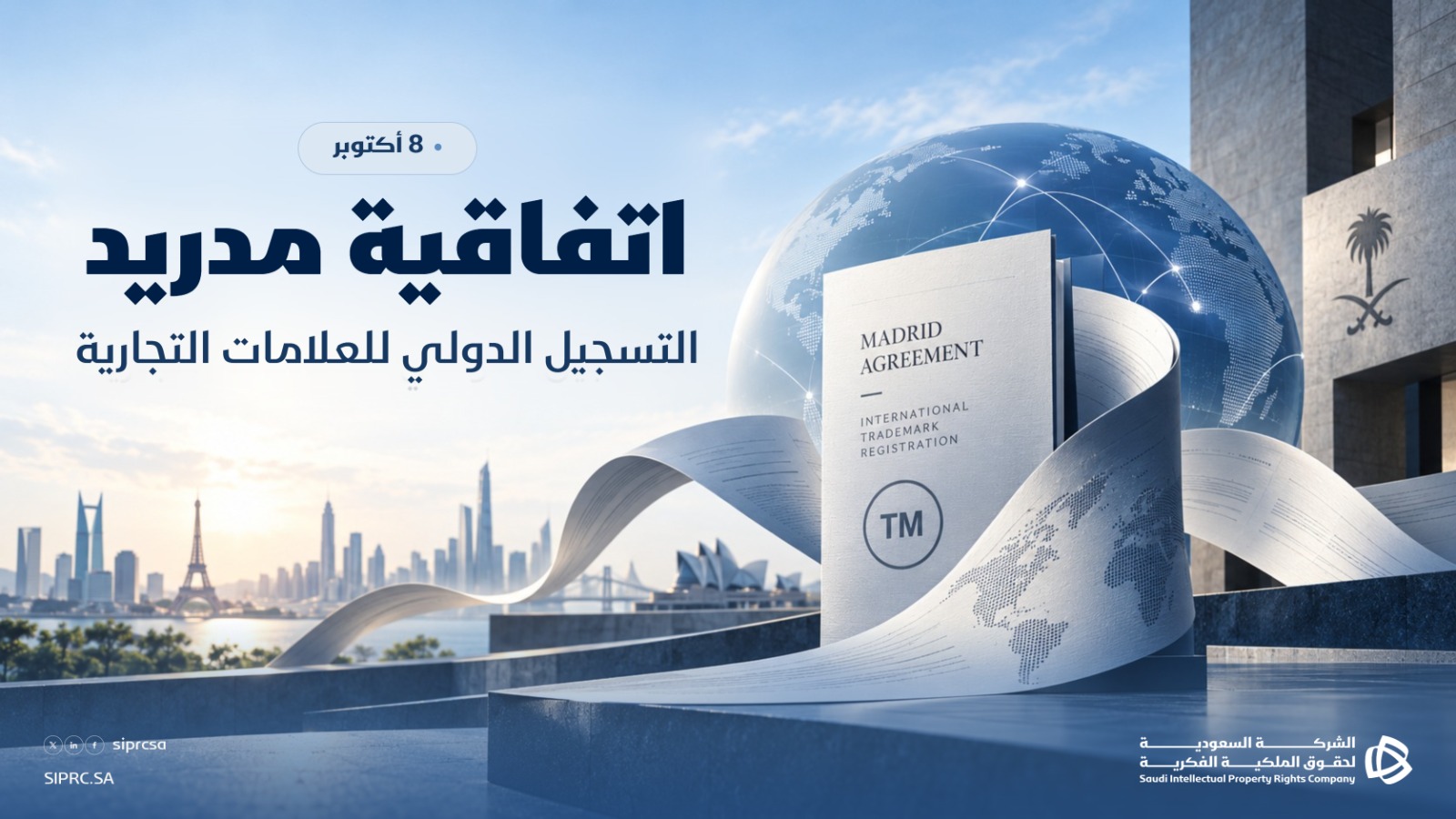
يمثل نظام مدريد مساراً دولياً موحداً يساعد أصحاب العلامات التجارية على طلب الحماية في عدة دول، مع بقاء قرار الحماية خاضعاً لتقييم كل دولة وفق نظامها المحلي. ومع بدء نفاذ بروتوكول مدريد في المملكة العربية السعودية في 8 أكتوبر 2026، يوضح هذا المقال الفرق بين مسارات التسجيل وأبرز الاعتبارات العملية للشركات السعودية.
الفرق بين اتفاقية مدريد وبروتوكول مدريد
اتفاقية مدريد (1891)
هي الاتفاقية الأصلية التي أرست مبدأ التسجيل الدولي للعلامات التجارية من خلال طلب دولي واحد، إلا أن نطاق الانضمام إليها ظل محدوداً واقتصر على عدد من الدول.
بروتوكول مدريد (1989)
جاء لتطوير الاتفاقية الأصلية ومعالجة القيود العملية التي حدّت من انتشارها، حيث أتاح قدراً أكبر من المرونة في إجراءات الإيداع والتسجيل، مما شجع العديد من الاقتصادات الكبرى، مثل الولايات المتحدة الأمريكية واليابان والمملكة المتحدة، على الانضمام إليه. كما انضمت إليه المملكة العربية السعودية، وأصبح الإطار القانوني الذي تُقدم من خلاله الطلبات الدولية في المملكة.
وعليه، فعند الإشارة اليوم إلى «نظام مدريد»، فإن المقصود عملياً هو النظام الذي يعمل في إطار بروتوكول مدريد لعام 1989، باعتباره الأداة القانونية والتنظيمية التي تستند إليها غالبية الطلبات والتسجيلات الدولية الحالية.
تنضوي تحت نظام مدريد اليوم أكثر من 130 دولة تمثل نحو 80% من التجارة العالمية، مما يجعله الإطار الأوسع انتشاراً لـ حماية العلامة التجارية الدولية على مستوى العالم. وتُدار عمليات التسجيل والإدارة بالكامل عبر المنظمة العالمية للملكية الفكرية (WIPO) ومقرها جنيف بسويسرا.
انضمام المملكة لنظام الإيداع الدولي
انضمت المملكة العربية السعودية إلى بروتوكول مدريد بإيداع صك الانضمام لدى المنظمة العالمية للملكية الفكرية (WIPO) بتاريخ 8 يوليو 2026، ويبدأ نفاذ البروتوكول بالنسبة للمملكة اعتباراً من 8 أكتوبر 2026، وفقاً لأحكام البروتوكول التي تقضي بدخوله حيز النفاذ بعد ثلاثة أشهر من تاريخ إيداع صك الانضمام. وبذلك تصبح المملكة قادرة على العمل كمكتب منشأ للطلبات الدولية، كما يمكن تعيينها ضمن الطلبات الدولية المقدمة بموجب نظام مدريد.
التكامل بين بروتوكول مدريد والإيداع الوطني
اختيار المسار الأنسب لحماية العلامات التجارية دولياً.
بروتوكول مدريد أم الإيداع الوطني؟
مقارنة المسارات / 05 معايير
المعيار
بروتوكول مدريد
الإيداع الوطني
طريقة التقديم
طلب دولي واحد
طلب مستقل لكل دولة
الإدارة
إدارة مركزية
إدارة منفصلة
الرسوم
رسوم أساسية ورسوم تعيين الدول
رسوم مستقلة لكل دولة
التجديد
تجديد مركزي
تجديد مستقل
تعديل البيانات
طلب واحد
تعديل لدى كل دولة
مقارنة بين مساري الإيداع.
بروتوكول مدريد
طلب دولي واحد.
إدارة مركزية.
رسوم موحدة نسبياً.
تجديد مركزي.
تعديل البيانات بطلب واحد.
الإيداع الوطني
طلب مستقل لكل دولة.
إدارة منفصلة.
رسوم لكل دولة.
تجديد مستقل.
تعديل في كل دولة.
مزايا بروتوكول مدريد
تبسيط إجراءات الإيداع.
تقليل التكاليف عند استهداف عدة دول.
إدارة مركزية للمحفظة.
تجديد واحد.
تعديل البيانات مركزياً.
إمكانية إضافة دول لاحقاً.
سهولة متابعة الطلبات عبر Madrid Monitor.
دور الوكلاء المحليين في نظام مدريد
الرد على الرفض المؤقت.
تقديم دفوع الاعتراضات.
إجراءات المعارضة.
الطعون والاستئناف.
المرافعات أمام المكاتب الوطنية.
التعامل مع المتطلبات المحلية الخاصة.
مزايا الإيداع الوطني عبر الوكلاء المحليين
تمثيل مباشر منذ بداية الملف.
الاستفادة من الخبرة المحلية.
صياغة مواصفات تتوافق مع ممارسات المكتب.
سرعة معالجة الاعتراضات.
مرونة أكبر في إدارة الملفات الحساسة.
متى يفضل كل مسار؟
يفضل بروتوكول مدريد عندما:
استهداف عدة دول.
تقليل التكاليف.
إدارة مركزية للمحفظة.
توحيد إجراءات التجديد والتعديلات.
يفضل الإيداع الوطني عندما:
الدولة ليست عضواً في بروتوكول مدريد.
وجود نزاعات متوقعة.
الحاجة إلى استراتيجية قانونية خاصة.
وجود متطلبات وطنية معقدة.
رسوم الإيداع الدولي بموجب بروتوكول مدريد
تكون رسوم الإيداع الدولي بموجب بروتوكول مدريد من ثلاثة أنواع رئيسية، وتُسدد جميعها إلى المنظمة العالمية للملكية الفكرية (WIPO) بالفرنك السويسري (CHF).
أولاً: الرسوم الأساسية (Basic Fee)
وهي رسوم ثابتة تُدفع عند تقديم الطلب الدولي:
إذا كانت العلامة بالأبيض والأسود (653 فرنكاً سويسرياً).
إذا كانت العلامة ملونة (903 فرنكات سويسرياً).
ثانياً: رسوم تعيين الدول (Designation Fees)
وتنقسم إلى:
رسوم قياسية (Standard Fees)
للدول التي تطبق الرسوم القياسية.
رسوم فردية (Individual Fees)
للدول التي تحدد رسوماً خاصة بها وفقاً لإعلاناتها لدى (WIPO).
رسوم الفئات الإضافية (Supplementary Fees)
تُفرض عند تجاوز الطلب ثلاث فئات من السلع أو الخدمات، وفقاً للوائح نظام مدريد.
مثال توضيحي
إذا كان لديك:
علامة بالأبيض والأسود.
فئتان.
تعيين ثلاث دول تفرض الرسوم القياسية.
فستكون الرسوم التقريبية:
الرسوم الأساسية: 653 CHF.
رسوم تعيين الدول: 300 CHF (100 × 3).
الإجمالي: 953 فرنكاً سويسرياً، دون احتساب أي رسوم يتقاضاها مكتب المنشأ أو الوكيل، إن وجدت.
أيهما ستختار؟
Authors of the article:
Moaz Ali
IP Portfolio Manager
Share it with the world!
Our latest news
Stay up to date with the latest news and developments in the field of intellectual property by following the Intellectual Property Blog
.svg)